ENGL 111/439: Octavia Butler’s “The Book of Martha” and AI
Octavia Butler’s short story “The Book of Martha” isn’t about AI. But students made incisive, wonderful connections between the story and some of the resources about AI they’ve been reading in the semester’s initial days.
In “The Book of Martha,” the titular Martha is yanked out of her writerly existence by the divine, who promises to “lend” her divine power and asks her to use that power to create one thing that will cause humans to “treat one another better and treat their environment more sensibly.”
As the frightened, confused, and sometimes annoyed Martha runs through some ideas (e.g., limits on reproduction; intense, realistic dreams), the divine uses a long knowledge of humanity to illuminate the ideas’ likely consequences and side effects. This, along with Martha’s distrust of utopian thinking, enables the story (like all of Butler’s fiction) to poke holes in ideologies ranging from capitalism to communism.
The students encountered the story for the first time when we read it aloud.
Reading aloud encourages a different kind of thinking as readers process the text through their voices. No one is required to read aloud, but I strongly encourage students to take up this practice that feels risky to a lot of folks, especially when encountering words that they’ve seen on pages and screens but may never have processed aloud before (I often share my stories about how I was used to seeing “misled” and “autochthony” on the page but in my head “said” those words so differently from their most conventional pronunciations).
When “God” first requests Martha’s labor, I stopped the reading and asked students to write down the ONE idea they would put forward if the divine made the request of them. The students are free to share the idea if they choose to do so, but otherwise it is private to them.
When we completed the reading, I asked students to poke the kind of holes in their idea that both the divine and Martha do. These are also private to the students though they again are free to share if they desire.
Small groups then discussed this question:
Does “The Book of Martha” help you think about some of the AI resources you’ve encountered so far in the course? If so, how? If not, how not?
I need to ask the students for consent to share some of these responses.
For now, their nuanced, lively conversations prompt me to invite anyone reading this to engage “The Book of Martha” themselves and go through the exercise that the students did.
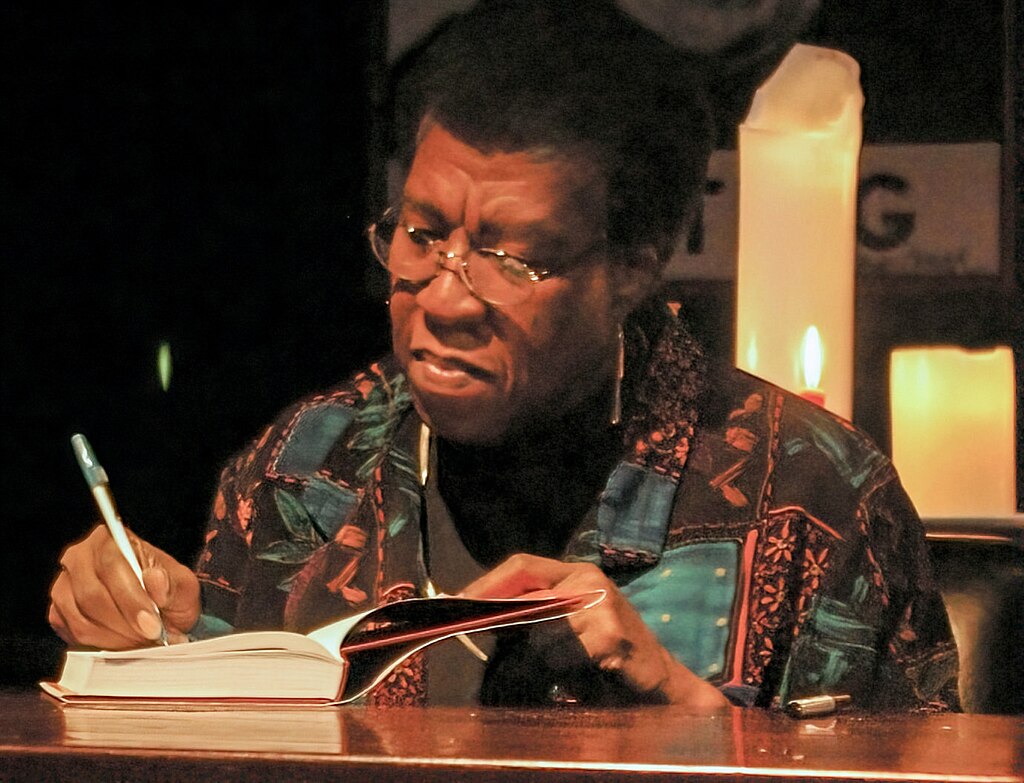
Photo Credit: Nikolas Coukouma, CC BY-SA 2.5, via Wikimedia Commons
